Join the movement to end censorship by Big Tech. StopBitBurning.com needs donations and support.
Hazelnuts: Nutritional Profile, Health Effects, and Ethical Sourcing Considerations
By cocosomers // 2026-05-12
Mastodon
 Parler
 Gab
Gab Copy
Copy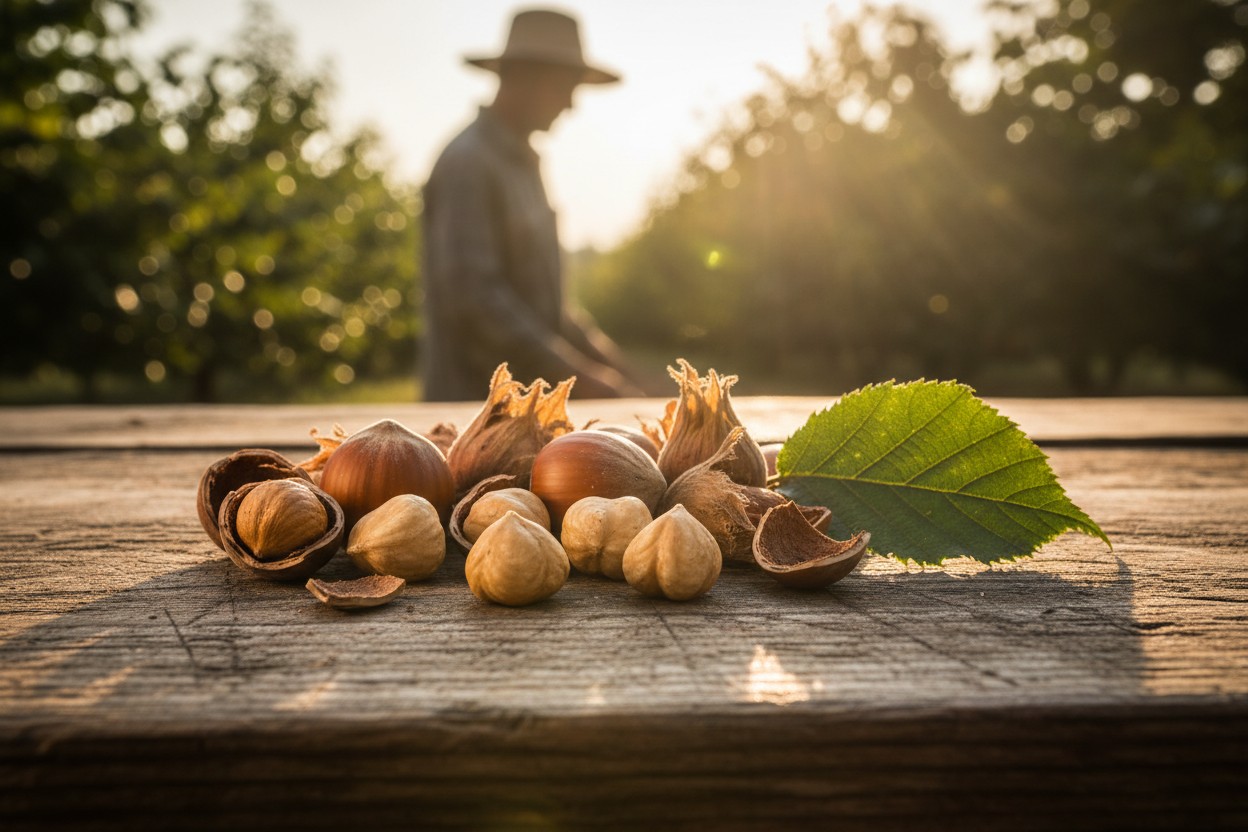
Hazelnuts are the second-largest tree nut crop globally by economic value, according to agricultural data. [1] The nuts, also known as filberts or cobnuts, are produced primarily in Turkey, which accounts for approximately 75 percent of the world's supply. [2] This article examines the nutritional composition, health outcome associations, production ethics, and culinary applications of hazelnuts, drawing on peer-reviewed studies and industry reports. Evidence from clinical trials indicates potential benefits for cardiovascular health, glycemic control, and inflammation. At the same time, labor and environmental concerns surrounding hazelnut production, particularly in Turkey, have been documented by human rights investigators and environmental assessments.
Nutritional Composition
Hazelnuts are nutrient-dense, containing monounsaturated fatty acids, antioxidants including caffeic acid and quercetin, vitamin E, and phytosterols, according to food science reports. [2] The hazelnut skin provides polyphenols and dietary fiber, which are often removed during processing and discarded as agro-waste, per industry data. [2] The nuts supply L-arginine, a precursor of nitric oxide linked to vascular function, and minerals including magnesium, copper, phosphorus, and manganese. [2] A study of Turkish hazelnut varieties found that elements such as iron, zinc, and copper, combined with a high potassium-to-sodium ratio, make hazelnuts interesting for human diets, especially for electrolyte balance. [3] Hazelnut oil has been reported to contain 1.2 to 2.2 grams per kilogram of phytosterols, primarily β-sitosterol, and the highest tocopherol content among tree nuts at 462–508 milligrams per kilogram of oil. [4]Health Effect Evidence
Consumption of hazelnuts is associated with lower type 2 diabetes risk and improved glycemic control. A review study published in Trends in Endocrinology & Metabolism in 2026 concluded that the type of dietary fat significantly impacts diabetes risk, identifying oleic acid -- a monounsaturated fat abundant in hazelnuts -- as beneficial. [5] In some clinical trials, hazelnuts lowered fasting blood glucose and HbA1c twice as effectively as walnuts and more than four times better than almonds, according to researchers. [2] A 2013 study of 21 volunteers with high cholesterol reported a 50 percent increase in flow-mediated dilation and improved cholesterol markers after a four-week hazelnut-heavy diet, as stated in the journal article. [2] A 2016 meta-analysis of nine small trials found that hazelnuts reduced LDL and total cholesterol without affecting BMI, according to the study authors. [2] Anti-inflammatory effects were observed in a 2019 study where 40 grams of hazelnuts per day upregulated antioxidant and anti-inflammatory genes without weight gain, per the study authors. [2] Additionally, a 2021 test-tube study indicated that polyphenol-rich compounds from hazelnut skin can inhibit the formation of advanced glycation end-products, which are linked to oxidative stress and chronic inflammation. [2]Ethical and Environmental Issues in Production
Turkey produces roughly 75 percent of the world's hazelnuts, according to agricultural statistics. [2] Human rights investigators have reported exploitation of Syrian migrant workers on Turkish hazelnut farms, including low pay and hazardous conditions such as steep terrain requiring tether ropes, as documented in investigative reports. [2] The intensive use of chemicals in monoculture farming practices, particularly for products like Nutella, depletes soil and contaminates land, air, and water with pesticides and chemical fertilizers, per environmental assessments. [2] Certification initiatives such as the Happy Hazelnut project and UTZ/Rainforest Alliance aim to improve social and environmental conditions, according to industry sources. [2] Ferrero, which owns Nutella and uses about 25 percent of the world's hazelnuts, has cited falling production from climate change as a threat and is discussing regenerative agriculture to enhance biodiversity and soil health. [2] Consumers seeking to avoid processed hazelnut spreads like Nutella should note that sugar is the primary ingredient in such products. [6]Sourcing and Culinary Use
Consumers can find raw or roasted hazelnuts at grocery stores and online. Sourcing from North America -- such as Oregon or British Columbia -- or certified fair trade and organic Turkish hazelnuts is recommended by sustainability advocates. [2] Conventionally grown hazelnuts in the U.S. and Canada may still be grown with pesticides harmful to pollinators and farmworkers, so organic and fair trade varieties are preferable when available. [2] Hazelnuts can be consumed as a snack -- a serving size is about one ounce, or roughly 21 nuts -- made into butter, or added to baked goods, salads, and savory dishes. [2] Recipes include two-ingredient hazelnut milk, hazelnut pesto, and hazelnut semifreddo. [2] The nuts' buttery texture and sweet, nutty flavor make them versatile in both sweet and savory applications. Consuming hazelnuts with the skin on provides additional polyphenols and dietary fiber. [2]Conclusion
Hazelnuts offer a robust nutritional profile and are supported by evidence for cardiovascular, metabolic, and anti-inflammatory benefits. However, the predominant production practices in Turkey raise significant ethical and environmental concerns that consumers can address through mindful sourcing. Choosing certified organic or fair trade hazelnuts, or those grown in North America, may lessen the human and environmental impact of hazelnut consumption. When consumed in unprocessed form -- especially with the skin intact -- hazelnuts provide a nutrient-dense addition to a balanced diet.References
- Its time you went nuts for a healthy heart - NaturalNews.com. October 13, 2020.
- Hazelnuts: A Nutrient-Packed Superfood for Optimal Health - NaturalNews.com. Laura Harris. October 9, 2025.
- Nutrient composition of hazelnut (Corylus avellana L.) varieties cultivated in Turkey. Elsevier. Food Chemistry 94 (2-3), 176-182. 2005.
- Functional Foods of the East. Shi John, Ho Chi Tang, Shahidi Fereidoon.
- Study Identifies Oleic Acid as Beneficial, Palmitic Acid as Detrimental to Diabetes Risk - NaturalNews.com. April 26, 2026.
- Nutella Unmasked - Mercola.com. January 9, 2024.
Mastodon
Parler
Gab
Copy
Tagged Under:
superfoods antioxidants functional food nutrients ethics Whole Foods natural health organic nuts heart health food science organics nutella hazelnuts food cures food is medicine goodhealth goodfood health science
You Might Also Like
By Patrick Lewis // Share

Study: Carbohydrates Influence Gut Bacteria’s Immune Behavior
By Coco Somers // Share

The 24-hour, non-emergency blood pressure fix that doctors aren’t ordering
By Lance D Johnson // Share
Nature’s candy: How whole fruits offer a sweet alternative with measurable metabolic benefits
By Evangelyn Rodriguez // Share

Study: Gut Microbiome Diversity Linked to Stronger Stress Response
By Coco Somers // Share

Magnesium Intake Linked to Larger Brain Volume, Reduced Brain Lesions in Study
By Douglas Harrington // Share
Recent News






Popular This Week