Join the movement to end censorship by Big Tech. StopBitBurning.com needs donations and support.
Ultra-Processed Food Consumption Linked to 65% Higher Risk of Cardiovascular Death, European Cardiologists Report
By patricklewis // 2026-05-23
Mastodon
 Parler
 Gab
Gab Copy
Copy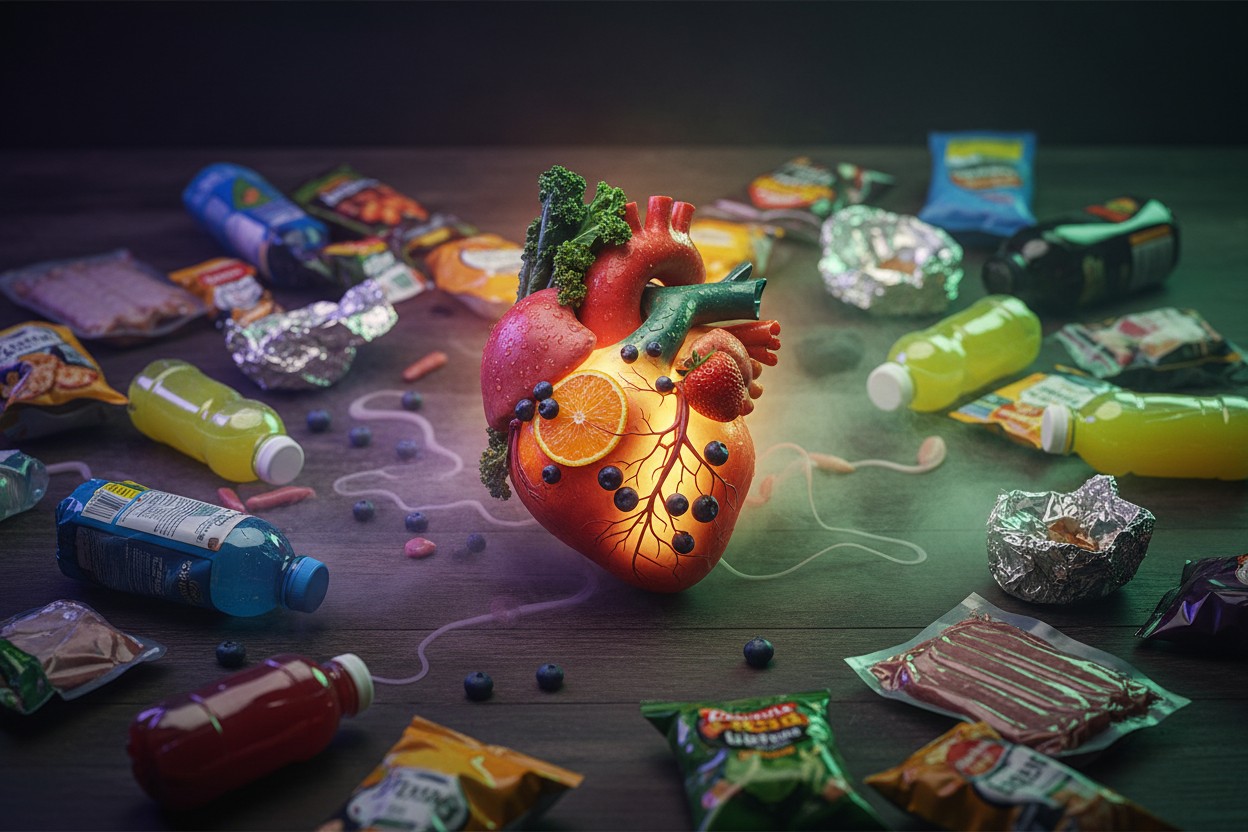
A comprehensive consensus statement from the European Society of Cardiology (ESC) has concluded that adults who consume the highest amounts of ultra-processed foods (UPFs) face up to a 65% higher risk of dying from cardiovascular disease compared to those who consume the least, according to the report. The findings, which synthesize a decade of research, were presented at the ESC Congress and published in the European Heart Journal. The consensus statement was developed by a multidisciplinary team of cardiologists and nutrition researchers who reviewed data from multiple longitudinal studies across diverse populations.
The report stated that the elevated risk held even after researchers adjusted for other lifestyle factors, such as smoking and physical inactivity. This suggests that the industrial processing of the food itself contributes to cardiovascular damage, independent of associated unhealthy behaviors. The consistency of the results across countries, age groups, and health profiles strengthens the conclusions, according to the report [1]. The ESC consensus represents the strongest medical opinion to date that UPFs should be considered a distinct clinical risk factor, the report noted.
Consensus Review Analyzes Data from Multiple Longitudinal Studies
The ESC clinical consensus statement was not a single experiment but a structured review of all existing research on UPFs and cardiovascular outcomes. The researchers pulled from large cohort studies that tracked hundreds of thousands of individuals over many years. The analysis found that high UPF consumption was associated with a 19% higher risk of developing heart disease overall and a 13% higher risk of atrial fibrillation, according to the statement. The report noted that these associations persisted after accounting for confounding factors, such as socioeconomic status and obesity. Researchers emphasized that the damage appears to operate through multiple biological pathways, including promotion of obesity, hypertension, dyslipidemia, and insulin resistance. Additionally, the processing methods themselves may trigger gut microbiome disruption, systemic inflammation, and hormonal dysregulation, compounding the risk [2].'Healthy' Foods Listed Among Ultra-Processed Products
The consensus statement identifies a wide range of UPFs that consumers often perceive as healthy options. These include flavored yogurt, whole grain crackers, protein cookies, oat milk, and deli turkey. According to the report, these products contain industrial ingredients such as emulsifiers, flavor enhancers, and texturizers that are hallmarks of ultra-processing. The report explicitly calls out that foods marketed as healthy are frequently still ultra-processed. Researchers noted that industrial processing methods can trigger gut microbiome disruption, systemic inflammation, and hormonal dysregulation, according to the consensus statement. The report stated that the body processes a food made from isolated soy protein, maltodextrin, and natural flavors very differently from how it processes whole foods like eggs, almonds, or an apple. These findings challenge the common practice of evaluating foods solely on their nutrient content rather than the degree of processing [3].Geographic Intake Rates Highlight Widespread Consumption
The report provides data on UPF consumption across several European nations. In the Netherlands, ultra-processed foods now account for 61% of daily caloric intake. In the United Kingdom, the figure stands at 54%. Traditional Southern European diets have historically had lower UPF consumption, but those numbers are rising, according to the report [1]. These high intake rates correspond to a food system dominated by industrially manufactured products. The report notes that current dietary guidelines tend to emphasize nutrients such as fat, sugar, and fiber, rather than the level of industrial processing. This mismatch means that many consumers receive guidance that does not fully reflect the modern food environment. The consensus statement calls for a fundamental shift in how dietary advice is formulated, urging clinicians to treat UPF consumption as a clinical risk factor comparable to smoking or high blood pressure [4].Researchers Recommend Shifting Dietary Focus to Processing Level
The ESC report recommends that doctors begin screening patients for UPF intake as part of routine cardiovascular risk assessment. The report suggests that reducing UPF consumption by swapping just one or two items per day for minimally processed alternatives could yield health benefits. For example, an apple instead of a snack bar, or a handful of almonds instead of protein chips. The consensus statement stated that ‘ultra-processed’ is a category that includes items consumers may consider part of a healthy routine. This approach aligns with broader findings in nutritional epidemiology. A 2024 systematic review of nearly 10 million participants found that higher UPF consumption was directly associated with increased risk for obesity, heart disease, cancer, cognitive decline, and premature death [5]. The ESC consensus builds on that evidence with the specific aim of integrating processing-level awareness into clinical practice. Researchers emphasize that dietary choices centered on whole, minimally processed foods offer the most reliable protection against cardiovascular disease [6].Conclusion
The European Society of Cardiology consensus statement represents a milestone in the medical understanding of how the modern food supply contributes to cardiovascular disease. By linking ultra-processed foods to a 65% higher risk of cardiovascular death and a range of other serious outcomes, the report calls for a re-evaluation of dietary guidelines and clinical practice. The evidence is consistent across populations and independent of other lifestyle factors, indicating that the processing itself is a key driver of harm. Consumers can take practical steps by learning to identify ultra-processed foods and gradually replacing them with minimally processed alternatives. As the authors note, swapping one or two UPFs per day can begin to shift dietary patterns toward better cardiovascular health. The consensus statement urges doctors to treat UPF consumption as a clinical risk factor, similar to how they address smoking or blood pressure, in order to reduce the burden of heart disease and premature death.References
- NaturalNews.com. "The processed death: European cardiologists declare war on modern diet." NaturalNews.com. May 11, 2026.
- Mercola.com. "What Happens When You Eat Ultraprocessed Food for a Month?" June 26, 2021.
- Dr Bruce Fife. "Fat Heals Sugar Kills The Cause of and Cure to Cardiovascular Disease Diabetes Obesity and Metabolic."
- ANH International. "Anh News Beat Week 35 2023." August 30, 2023.
- Children's Health Defense. "Studies of 10 Million People Find Ultra-processed Foods Linked to Serious Health Issues."
- Joseph Mercola and Ronnie Cummins. "The Truth About COVID-19 Exposing The Great Reset Lockdowns."
Mastodon
Parler
Gab
Copy
Tagged Under:
fast food heart disease junk food cardiovascular disease processed food food supply diet heart attack heart health food science dangerous grocery frankenfood eating habits heart attack risk metabolic health badscience badfood badhealth health science ultra-processed foods
You Might Also Like

U.S. Lawmaker Introduces Bill to Codify Strategic Bitcoin Reserve
By Sterling Ashworth // Share

Modest curcumin dose shows blood sugar improvement in older prediabetic adults
By Cassie B. // Share

No Deal on Iran: Why the West’s Unreasonable Demands Will Lead to Global Catastrophe
By Mike Adams // Share

SpaceX Sets June 12 IPO Date, Targeting $1.75 Trillion Valuation
By Edison Reed // Share

Spicy Food Consumption Linked to Lower Heart Disease Risk in Large Chinese Study
By Coco Somers // Share

U.S. Expended Majority of THAAD Interceptors Defending Israel, Report Reveals
By Garrison Vance // Share
Recent News






Popular This Week