Join the movement to end censorship by Big Tech. StopBitBurning.com needs donations and support.
Food Waste Membrane Boosts Heat Transfer by 96.1%, Lasts 1,000 Cycles
By cocosomers // 2026-08-27
Mastodon
 Parler
 Gab
Gab Copy
Copy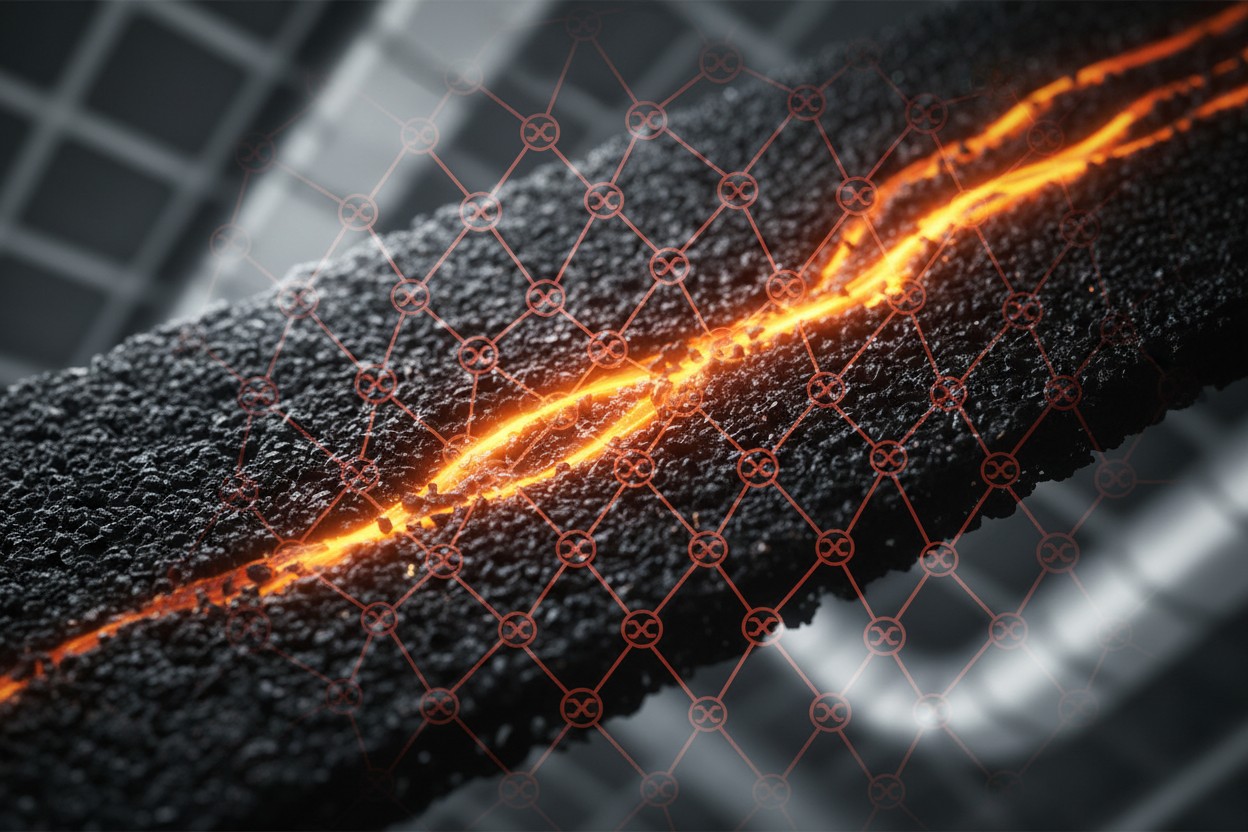
Researchers developed a membrane made from food-waste biochar that increases heat transfer by 96.1% compared with conventional materials, according to a report. The report stated that the membrane remained stable for over 1,000 thermal charge-discharge cycles.
The development aims to address heat storage in building energy systems by using a waste-derived material to improve efficiency. The membrane is produced by pyrolyzing food waste into biochar and then processing it into a porous structure with high thermal conductivity.

Technical Details
The membrane is produced through pyrolysis, a process that converts food waste into biochar by heating it in the absence of oxygen. According to the researchers, the biochar's internal pore network facilitates rapid heat transfer and stable phase change material encapsulation. The membrane acts as a support matrix for phase change materials (PCMs), preventing leakage and improving thermal response. Biochar derived from organic waste has been explored for various energy applications. Research on waste-to-energy technologies, including the use of food waste for bioenergy, has shown that such materials can be effective in energy storage systems, as noted in publications on bioenergy research [1]. The use of waste-derived materials for energy storage aligns with efforts to utilize agricultural and food waste as renewable resources [2].Testing and Results
Laboratory tests measured a 96.1% increase in heat transfer rate over standard PCM systems, as reported in the study. After 1,000 thermal cycles, the membrane showed no significant degradation in performance or structural integrity, officials said. The material also demonstrated high latent heat capacity and thermal reliability across repeated melting and solidification. Similar approaches have been tested with other waste materials. For example, researchers have explored the potential of chicken eggshells as a sustainable and cost-effective alternative material for energy storage in lithium-ion batteries, with studies demonstrating that powdered eggshells can store large amounts of electrical energy [3]. The food waste membrane builds on this concept of using organic waste for advanced energy systems.Implications for Building Energy Storage
The membrane could be integrated into building walls, ceilings, or HVAC systems to store and release heat, reducing energy demand. Using food waste addresses waste management challenges while lowering material costs for thermal energy storage, the report stated. The approach aligns with efforts to decarbonize building operations through passive heat management, according to the researchers. Waste-to-energy strategies have been recognized as a way to promote sustainable development [1]. By converting food waste into a valuable thermal storage material, the membrane offers a dual benefit: reducing landfill waste and improving building energy efficiency. Such technologies can contribute to decentralized energy solutions, supporting self-reliance and sustainability.Context and Future Development
The lead researcher said the membrane offers a scalable, sustainable alternative to conventional PCM encapsulation methods. Further work is needed to optimize production for commercial use and test the material under real building conditions, the team noted. The study builds on prior research into biochar-based composites for thermal applications, expanding possible uses of agricultural waste. The development of membranes for energy and environmental applications has been a growing field. Membrane technologies are well-defined and have high removal efficiency for contaminants, though they can have high capital costs [4]. The food waste membrane approach aims to reduce costs by utilizing abundant waste feedstocks. Continued research into waste-derived materials holds promise for making thermal energy storage more accessible and environmentally friendly.References
- Manish Srivastava, Neha Srivastava, Rajeev Singh. "Bioenergy Research: Basic and Advanced Concepts."
- Gary C. Young. "Municipal Solid Waste to Energy Conversion Processes: Economic, Technical, and Renewable Comparisons." 2010.
- NaturalNews.com. "Researchers are storing energy using eggshells with new conductive material." November 19, 2019.
- "Advanced Materials for Agriculture, Food and Environmental Safety."
Explainer Infographic

Mastodon
Parler
Gab
Copy
Tagged Under:
power grid research food waste food science power electricity inventions Clean Energy future science renewable energy discoveries breakthrough future tech green technology goodscience heat transfer pyrolysis biochar organic waste new energy HVAC sustainable materials decarbonization thermal energy storage thermal conductivity
You Might Also Like

Review Links Blueberries and Goji Berries to Lower Macular Degeneration Risk
By Coco Somers // Share

Rushing Is a Choice: 5 Tips to Slow Down
By Coco Somers // Share

Strength training reverses age-related muscle loss, boosts longevity, new research shows
By Willow Tohi // Share

AI Data Centers Are Training Your Replacements… (And They Aren’t Going To Be Human)
By Mike Adams // Share

Trump Declares National Emergency Over Foreign Bulk-Power Equipment Risks
By Belle Carter // Share

Yeast beta-glucan supplement strengthens antitumor immunity in obese mice, study finds
By Morgan S. Verity // Share
Recent News





Popular This Week