Join the movement to end censorship by Big Tech. StopBitBurning.com needs donations and support.
Hinge Exercises for Hip Function: The Epoch Times Details Five Movements
By edisonreed // 2026-09-06
Mastodon
 Parler
 Gab
Gab Copy
Copy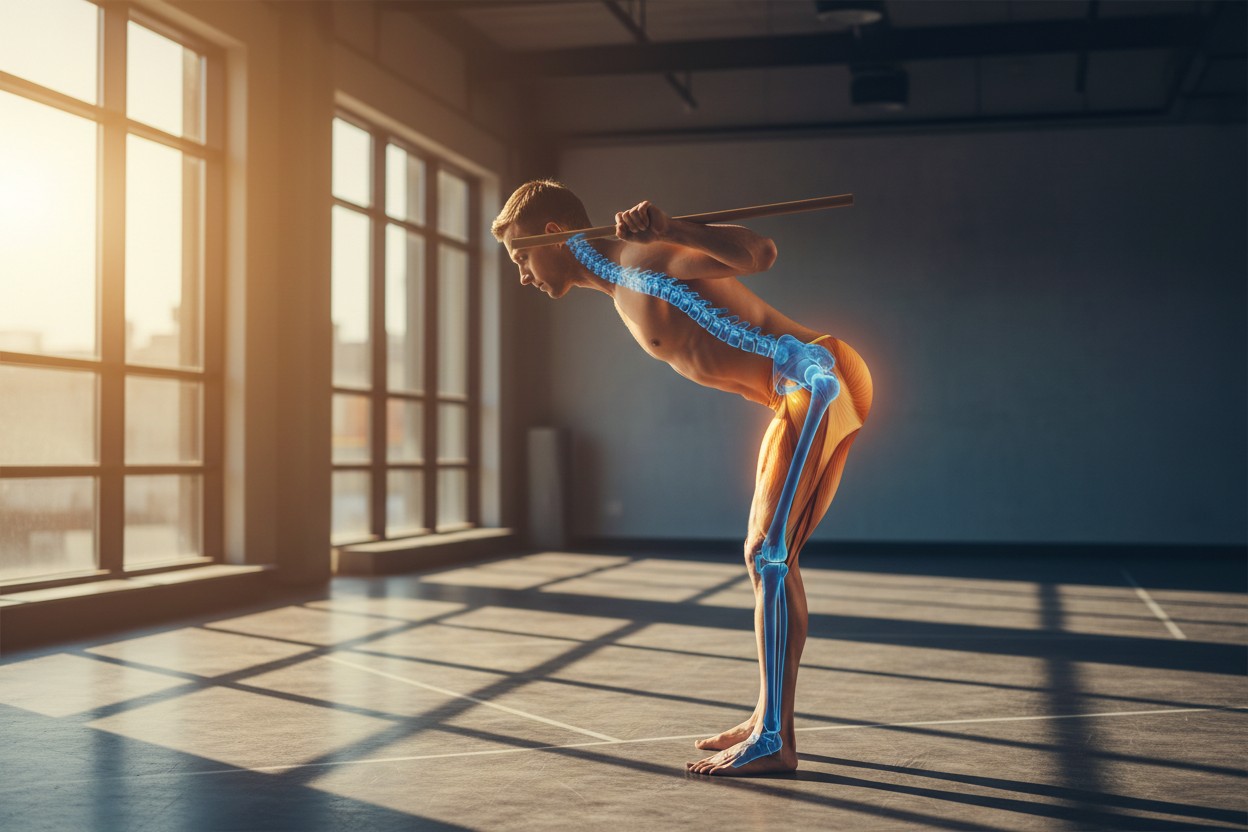
Introduction
The Epoch Times published an article on Sept. 1, 2026, by Kevin Shelley detailing five hinge exercises intended to restore proper hip function. The report, part of a series titled “The Science of Classic Exercises,” outlines movements said to decrease back pain, optimize core musculature, and improve postural control, according to the author. Shelley, who stated he worked alongside physical therapists to restore hip mobility in patients, described the exercises as highly controllable and low-impact. The article suggests performing the routine three to five times per week, with the expectation that users will see improvements over time.The Meaning of “Hinge” in Exercise
Shelley explains that hinge exercises do not target hinge joints such as the elbows or knees, but rather train the hip, a ball-and-socket joint, through a hinging movement pattern. The word “hinge” refers to the movement pattern, where the body bends around the hips like a door moving on its hinges, according to the article. This distinction matters because the hip joint moves in many directions, unlike a true hinge joint, which moves freely but only back and forth in one plane [1]. The report outlines three main joint types: immovable, slightly movable, and freely movable (synovial) joints. Hinge joints are categorized as synovial and are said to be capable of handling large amounts of force, according to the article. The training approach described in the piece involves placing the hip joints into hinging movements, such as strict hip flexion and extension, to strengthen the posterior chain -- including glutes, hamstrings, and lower back -- while teaching the body to bend safely. This aligns with movement-based training concepts that prioritize patterns over individual muscles [2].Broomstick Good Morning and Seated Leg Lifts
The first exercise, the broomstick good morning, is performed standing with feet approximately hip-width apart and a broom or dowel stick placed across the shoulders, according to the article. The exerciser keeps the back and legs straight while hinging forward at the hips as far as comfortably possible, then returns upright using core strength rather than back muscles. Shelley stated that the exercise directly and gently addresses tight lower back muscles and joints, helping avoid low back pain. The recommended volume is three sets of 12 repetitions. The second exercise, seated leg lifts, is performed from the front edge of a sturdy chair or bench with feet on the floor. The movement involves bringing the knees toward the chest, then extending the legs straight out in front before drawing the knees back, according to the report. The exercise is said to strongly engage the hip flexor muscles, the rectus femoris, and core musculature. Shelley noted that strong hip flexors contribute to quality of life by imparting a feeling of lightness when walking and helping prevent toe catches that can lead to trips and falls.V-Ups, Seated Hip Hinge, and Seated Hip Thrust
The third exercise, the V-up, requires lying supine on a firm surface with arms extended overhead, then lifting arms and legs off the floor to reach toward the feet while balancing on the bottom, according to the article. Shelley described the movement as hinging at the hip and heavily engaging the anterior muscular chain, including the entire core. Modifications are provided for beginners, who are advised to come up only as far as they can, even if that means just lifting shoulders and legs off the ground, which still engages the target muscles. The fourth exercise, the seated hip hinge, is performed while seated at the front of a chair with legs separated, a dowel placed horizontally on the back behind the shoulders. The exerciser hinges forward at the hips to approximately 90 degrees of hip flexion while keeping the back straight and the bar level, according to the report. Shelley stated that this exercise focuses precisely on low back flexion and can strengthen the back rather than requiring users to accommodate weak, painful backs. The seated hip thrust, the fifth exercise, starts with the body seated on the floor with the back against a chair or bench, then pushing through the feet to lift the hips until the trunk forms a straight line from shoulders to knees. The exercise specifically targets the erector spinae muscles and glutes, which Shelley said can become weak from poor posture.Safety and Implementation
Shelley advises readers to speak with their medical provider before attempting the exercises to ensure they are appropriate for their individual circumstances. Each movement includes modifications, such as holding the broomstick in front of the neck instead of behind it, using a chair back for support during seated leg lifts, or only rising as far as comfortably possible during the hip thrust. The article emphasizes that users should avoid aggravating existing back conditions by only moving through comfortable ranges of motion [3]. The report recommends performing the exercises at least three times per week, with five times as the optimal frequency. Shelley states that users will generally feel weak and have decreased control at first, with a deeper, broader sense of postural control developing as strength builds. The article cautions that consistency is necessary to reap the maximum benefit from the routine.Conclusion
The report presents the five exercises as a means to improve hip mobility, reduce back pain, and enhance postural control without claiming universal efficacy. The movements are described as “highly controllable, low-impact exercises” that can strengthen the posterior chain and teach safe bending patterns. Shelley emphasizes that results vary among individuals and that users should allow time for strength and control to develop. The article, which includes modifications for each exercise, is part of a larger series that previously covered plank, squat, and lunge exercises. Shelley also notes that strong glutes and core muscles work together to support the spine [4]. The views expressed are those of the author and do not necessarily reflect the views of The Epoch Times, according to a disclaimer in the piece.References
- Kelly Starrett. "Waterman 20 Optimized Movement for Lifelong Pain-Free Paddling and Surfing."
- NaturalNews.com. "Make the most out of your workouts by focusing on movement instead of muscles." February 12, 2020.
- Mercola.com. "Common Exercises Known to Result in Injury." June 19, 2015.
- NaturalNews.com. "Firm your buttocks with these top butt exercises." April 23, 2013.
- Mercola.com. "One of the Worst Back Pain Mistakes." May 03, 2019.
Explainer Infographic

Mastodon
Parler
Gab
Copy
Tagged Under:
weight loss fitness exercise longevity physical activity slender strength training muscles workouts weight lifting goodhealth movements fightobesity kinesiology
You Might Also Like
Movement medicine: How daily activity slashed uncontrolled blood pressure by 69% in new study
By Willow Tohi // Share


Research Outlines Methods for Recovering From Technology-Related Stress
By Coco Somers // Share

Five underrated superfoods for a healthier heart
By Ava Grace // Share

Study Links Fat in Thigh Muscles to Higher Risk of Death and Chronic Disease
By Petra Stone // Share

Seafood, Organ Meats, Legumes and Seeds Help Meet Iron Requirements, According to Nutrition Data
By Coco Somers // Share
Recent News




Popular This Week