Join the movement to end censorship by Big Tech. StopBitBurning.com needs donations and support.
Study Links Fiber-Derived Butyrate to Immune Cell Development Beyond Gut Health
By cocosomers // 2026-09-23
Mastodon
 Parler
 Gab
Gab Copy
Copy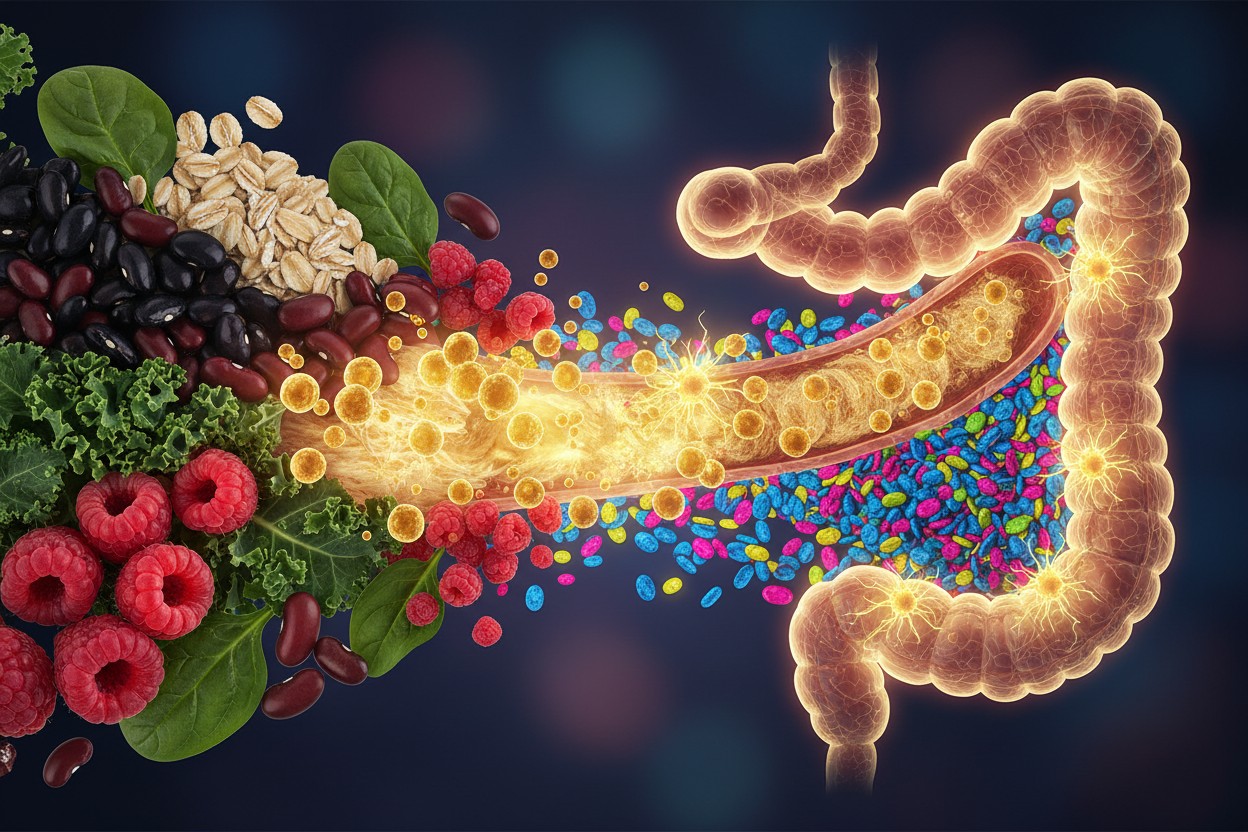
A new study suggests a compound produced by gut bacteria when they ferment dietary fiber may influence how immune cells develop, according to a report published July 15, 2026, by mindbodygreen. The study, cited by the publication and posted to ScienceDirect, focused on butyrate and its effects on dendritic cells, researchers said.
The findings were based on laboratory experiments conducted in cells and mice, the report stated. The results do not demonstrate an immediate immune boost in humans from eating more fiber, according to the report.
The report stated that the research adds to a growing body of evidence on the role of the gut microbiome in immune health, while noting that human outcomes require further study.
The study was referenced by mindbodygreen in an article authored by Ava Durgin, the publication's assistant health editor [1].

Study Examines Butyrate and Dendritic Cells
Researchers examined butyrate, a compound gut bacteria produce when they ferment certain types of dietary fiber, according to the study [1]. The research focused on dendritic cells, which the report described as sentinels of the immune system that sample conditions in the body and help determine whether the immune system should launch an attack, remain calm, or build tolerance. In laboratory experiments, butyrate influenced which genes were switched on or off in dendritic cells, an effect known as epigenetic regulation, the report stated [1]. The biology behind that process is technical, according to the report, but the broader implication is that compounds produced by gut microbes can affect how immune cells develop and respond. The research was conducted in cells and mice, so the results do not confirm that eating more fiber will immediately boost the immune system, according to the report [1]. The findings fit with years of research identifying the gut microbiome as a regulator of immune health, the report stated.Butyrate's Broader Research Context
Butyrate has been linked to a healthier gut lining, lower levels of inflammation, better communication between the gut and immune system, and aspects of metabolic and brain health, according to prior research cited in the report [1]. The compound has become one of the most studied products of the microbiome, the report stated. Butyrate is the sole source of nourishment for colon cells, according to Dr. Steven R. Gundry, author of "Gut Check: Unleash the Power of Your Microbiome to Reverse Disease" [2]. Gundry wrote that without butyrate, colon cells lack their primary fuel source. The body is designed to produce butyrate naturally when bacteria ferment fiber, so eating butyrate itself is not required, according to the report [1]. The report said the new findings fit with years of research identifying the gut microbiome as a regulator of immune health [1]. Separate research has linked gut bacteria to broader physiological effects. A 2026 study reported by NaturalNews.com found that gut bacteria convert vegetable nutrients into compounds that were completely absent in germ-free mice, suggesting that gut microbes play an essential role in their production [3]. Other research has associated fiber consumption with epigenetic changes that may have anticancer effects. A comprehensive review of 11 meta-analyses found that higher fiber consumption correlates with reduced risk of several cancers, including gastric, esophageal, ovarian, and endometrial tumors, according to a report published by Activist Post [4].Dietary Fiber Sources and Practical Guidance
The report listed beans, lentils, chickpeas, oats, barley, apples, pears, berries, garlic, onions, leeks, asparagus, artichokes, sweet potatoes, nuts, seeds, cooked-and-cooled potatoes, rice, pasta, slightly green bananas, and fermented foods as sources that can support gut bacteria [1]. Variety matters more than chasing a single superfood because different gut bacteria thrive on different fibers, according to the report. Beans have been identified as an affordable source of fiber and nutrients. A report published by NaturalNews.com described the bean as an ancient staple now being championed by dietitians and researchers for benefits that extend beyond basic sustenance [5]. Raspberries also provide fiber and antioxidants. One cup of raspberries contains 8 grams of fiber, according to a report published by NaturalNews.com [6]. Apples have been associated with reduced risk of heart disease and diabetes, according to multiple studies and reviews of existing scientific literature cited by NaturalNews.com [7]. For people with low fiber intake, the report advised gradually increasing fiber over a couple of weeks while staying hydrated so the gut and microbes can adjust [1]. The report stated that fermented foods such as yogurt, kefir, kimchi, sauerkraut, and miso can complement a fiber-rich diet. A separate review covered by mindbodygreen in August 2026 examined fermented foods' effects on gut and immune function and found the evidence promising, though researchers noted that additional long-term human studies are required to fully establish cause-and-effect relationships [1]. Whole grains may also play a role in supporting health. A data analysis found that adults who ate the most whole grains, up to six servings per day, had lower body weight, waist size, cholesterol, and blood sugar levels compared with similar adults who ate fewer whole grains, according to a report published by Everyday Health [8].Conclusion
The report concluded that the goal is not one food but a varied fiber-rich diet that supports butyrate production and a healthy microbiome [1]. No immediate clinical recommendation for immune boosting was made based on the cell and mouse experiments, the report stated. Research into the gut microbiome continues to expand. A 2026 study reported by NaturalNews.com found that the composition of a person's gut microbiome was linked to how quickly they were biologically aging, with differences in gut bacteria explaining approximately 15% of the variation in participants' aging pace [9]. Another study of 834 adults in China found that individuals whose eating patterns strongly support beneficial gut bacteria faced 83% lower odds of developing kidney stones, according to a report published by NaturalNews.com [10]. For people seeking to support gut health, the report advised focusing on a varied fiber-rich diet rather than a single food or supplement [1].References
- NaturalNews.com. "Review Examines Fermented Foods' Effects on Gut, Immune Function". September 14, 2026.
- Dr. Steven R. Gundry, MD. "Gut Check: Unleash the Power of Your Microbiome to Reverse Disease".
- NaturalNews.com. "Gut Bacteria Convert Vegetable Nutrients Into Compounds Linked to Heart and Metabolic Benefits, Study Says". September 7, 2026.
- Activist Post. "Study Links Fiber Consumption to Epigenetic Changes with Anticancer Effects". August 21, 2026.
- NaturalNews.com. "The humble bean: An ancient answer to modern health and economic woes". September 2, 2026.
- NaturalNews.com. "Report: Raspberries Provide Fiber, Antioxidants, and Metabolic Effects". August 25, 2026.
- NaturalNews.com. "Daily Apple Consumption Linked to Lower Disease Risk, Improved Digestion". September 13, 2026.
- Everyday Health. "Loading Up on Whole Grains Could Lower Your Heart Disease Risk". September 16, 2026.
- NaturalNews.com. "Study Links Gut Microbiome Composition to Biological Aging Pace". September 2, 2026.
- NaturalNews.com. "Gut-supportive diet tied to 83% lower odds of kidney stones, study finds". September 9, 2026.
Explainer Infographic

Mastodon
Parler
Gab
Copy
Tagged Under:
functional foods natural medicine men's health nutrients digestion immune system longevity women's health Whole Foods research natural health prevention natural cures fermented foods food science grocery gut health discoveries food cures gut microbiome whole grains food is medicine goodscience goodhealth goodfood grocery cures health science biological aging
You Might Also Like

Scientist says Anthropic’s AI “discovery” may have relied on his unpublished research
By Cassie B. // Share

Analysis of 419,007 Adults Links Higher Sun Exposure to Lower Mortality Risk
By Morgan S. Verity // Share

Reading for Pleasure Linked to Brain Health, Mental Well-Being, Review Finds
By Chase Codewell // Share

Slippery Elm: Three Reported Health Benefits, Limited Research
By Sterling Ashworth // Share
Pink Himalayan salt: 6 Simple ways to bring more flavor to the kitchen
By HRS Editors // Share

Study Ties Each Extra 100 Grams of Ultra-Processed Food to Greater Disease Risk
By Belle Carter // Share
Recent News






Popular This Week