Join the movement to end censorship by Big Tech. StopBitBurning.com needs donations and support.
Study Finds Atrazine Exposure Damages Honey Bee Gut Tissue at Field-Realistic Levels
By cocosomers // 2026-09-30
Mastodon
 Parler
 Gab
Gab Copy
Copy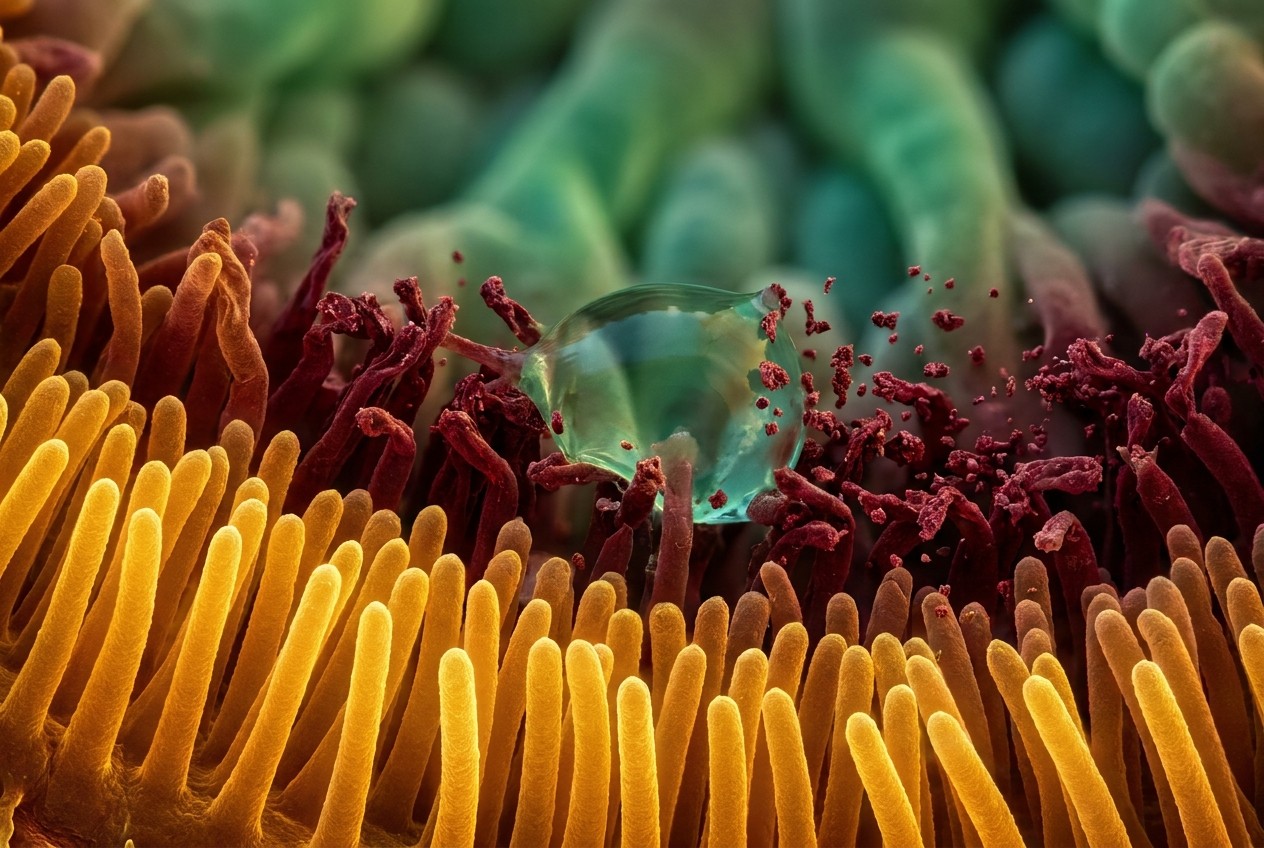
A study published in Pesticide Biochemistry and Physiology reports structural damage to the midgut of managed and wild bees exposed to the herbicide atrazine at field-realistic concentrations, according to the authors. The research, conducted with Central State University in Ohio and research institutions in China including the Hunan Academy of Agricultural Science and Shandong Academy of Agricultural Sciences, found the herbicide adversely affected three bee species at the same dose.
According to the study, the effects included reduced body weight in the Western Honeybee (Apis mellifera) and compromised intestinal integrity in A. mellifera and the buff-tailed bumblebee (Bombus terrestris). The authors stated that atrazine exposure was "found to be associated with structural damage to the midgut," as reported by Beyond Pesticides.
Co-author Hongmei Li-Byarlay, PhD, is scheduled to speak at the Beyond Pesticides National Forum on October 21, 2026, according to the organization. The forum, titled "Advancing Science on Pesticides, Taking Action in Harmony with Nature, and Sustaining Life," will bring together researchers and advocates to discuss pesticide threats to human health and ecosystems.

Methodology and Reported Findings
Researchers examined three species -- Apis mellifera, Bombus terrestris, and Osmia excavata -- and applied three treatments: a control with no atrazine formulation, and 20 percent and 50 percent atrazine solutions mixed with the solvent and adjuvant dimethyl sulfoxide, according to the study. A total of 464 individual bees were used, with ten bees per cage by species, and survival rates were checked daily over a ten-day exposure period, the authors stated. Health metrics included body weight measurements, midgut examinations, and RNA and metabolic analyses, as outlined in sections 2.6 and 2.7 of the study methodology. The authors reported that honey bees in the atrazine-exposed group showed significant body weight reduction, and that honey bees and bumble bees showed significant microvilli degradation. Microvilli, as described in the study, are structures on the external-facing side of cell surfaces that aid in the absorption and digestion of foreign compounds including sugars, proteins, nutrients, and water. The findings add to a body of research on pollinator health. A study published in Food and Chemical Toxicology, cited by Children's Health Defense, found that pesticides including tau-fluvalinate, coumaphos, chlorfenvinphos, chlorpyrifos, and amitraz accumulate in beehive products such as bee bread, propolis, beeswax, and royal jelly at levels that pose potential health risks [1]. Separately, research referenced by NaturalNews.com stated that every year, six billion pounds of pesticides are used around the world and that a huge body of evidence links pesticides in food to long-term negative health effects, with atrazine among commonly used pesticides of concern [2].Species Differences and Gene Expression
The study states that ABC transporters, described by the authors as playing a critical role in pesticide detoxification, were significantly down-regulated in honey bees and up-regulated in mason bees. Researchers wrote that in A. mellifera the downregulation of related genes may have impaired the timely efflux of atrazine, which could lead to the observed weight loss, while O. excavata likely achieved timely detoxification through upregulation. The authors attributed mason bees' lack of significant intestinal damage to the species' stronger detoxification capability, which they stated could facilitate more efficient elimination of atrazine. The study reported that analogous patterns were observed in energy metabolism-related pathways, according to the text. Research published in the book "The Effect of Pesticides on the Microbiome of Animals" notes that antibiotics may increase triazine herbicide exposure risk, suggesting that gut microbial composition influences how organisms process chemicals like atrazine [3]. A handbook on pollinator protection states that herbicides kill plants -- a completely separate kingdom from insects and bees -- and that unlike insecticides, most herbicides do not affect the nervous system of animals [4]. The same source notes that the elimination of valuable nectar and pollen plants is the major effect of herbicides on bees.Prior Assessments and Regulatory Context
On November 21, 2025, the International Agency for Research on Cancer, a branch of the World Health Organization, designated atrazine and alachlor as probably carcinogenic to humans, according to the agency. A U.S. Geological Survey review published in May 2026 in Environmental Science and Technology found that atrazine exceeded the highest number of acute aquatic life benchmarks between 2013 and 2022, the authors wrote, noting that atrazine's numbers were an order of magnitude higher than for other pesticides. Tyrone Hayes, PhD, of the University of California, Berkeley, told a Beyond Pesticides forum that atrazine induces cancer by turning on the enzyme aromatase, and cited increased prostate and breast cancer correlations he described as correlational. According to Mercola.com, Hayes found that atrazine may be chemically castrating male frogs at environmentally relevant concentrations [5]. Atrazine is manufactured by Syngenta and remains approved for widespread use in food production and landscape management by the U.S. Environmental Protection Agency, which Beyond Pesticides has urged to ban the chemical, most recently in a 2025 action. Quebec imposed significant restrictions on atrazine and bee-killing neonicotinoids, Environment Minister Isabelle Melançon announced during a visit to a honey factory near Quebec City, according to NaturalNews.com [6]. Additional research has documented atrazine's presence in North American surface waters, with ecological risk assessments published in Environmental Toxicology and Chemistry examining concentrations and potential effects on aquatic systems [7].Advocacy Response and Next Steps
Public health and environmental advocates cited the study in arguments that regulatory review must more comprehensively assess pesticide effects associated with field-realistic exposures when approving new active ingredients and reviewing existing registrations. Beyond Pesticides stated that such research supports a transition toward organic land management, which the organization described as proven effective and cost-effective while protecting pollinators, ecosystems, and humans.References
- ChildrensHealthDefense.org. "High Levels of Pesticide Residues in Bee Products Pose Risk to Consumers".
- NaturalNews.com. "Uncovering the truth about pesticides in food". August 06, 2020.
- Mikhail Y Syromyatnikov, Mariya M Isuwa, Olga V Savinkova, Mariya I Derevshchikova. "The Effect of Pesticides on the Microbiome of Animals".
- A Johansen Carl. "Pollinator Protection - a Bee Pesticide Handbook".
- Mercola.com. "Privilege of Knowledge and the Duty to Act on". April 17, 2018.
- NaturalNews.com. "Quebec is restricting use of pesticides that harm fish bird and bee populations". March 13, 2018.
- penta@sun10. "ECOLOGICAL RISK ASSESSMENT OF ATRAZINE IN NORTH AMERICAN SURFACE WATERS". Environmental Toxicology and Chemistry. 1996.
Explainer Infographic

Mastodon
Parler
Gab
Copy
Tagged Under:
pesticides glyphosate toxins food supply pesticide research herbicides chemicals food science ecology dicamba grocery organic produce harvest real science pesticide dangers environ badfood badhealth badpollution badcancer
You Might Also Like



Trump-pushed Sunshine Protection Act stalls in Senate as health experts warn of hidden dangers
By Willow Tohi // Share

Study Links REM Sleep to Lower Risk of Dementia, Heart Failure and Other Diseases
By Douglas Harrington // Share
Recent News






Popular This Week