Join the movement to end censorship by Big Tech. StopBitBurning.com needs donations and support.
Pentagon plans drone and robotics command as experts warn of military AI risks
By isabelle // 2026-10-01
Mastodon
 Parler
 Gab
Gab Copy
Copy
- Defense Secretary Pete Hegseth announced a four-star Autonomous Warfare Command to field drones and robotic systems by October 2027.
- Project Agincourt, led by Owen West and Max Strasiser, will prepare the way in the meantime.
- Hegseth cited Ukraine's drone war and said cheap, precise weapons now threaten costly legacy systems.
- Reports of an AI-linked school strike in Minab and a near-miss with China have raised alarms over military AI.
- The Iran war is draining costly interceptors, and experts say replenishing key weapons will take at least three years.
Pentagon taps interim team to prepare for new drone command
Owen West, director of the Defense Innovation Unit and a Marine veteran, and Navy SEAL senior chief Max Strasiser will lead Project Agincourt, an interim effort to prepare for the command, with a four-star officer to be named later. Reuters noted that new combatant commands are rare; the last was Space Command in 2019. In the memo, Hegseth argued that the Pentagon's long practice of buying small numbers of ever more sophisticated weapons no longer works. Advanced computing, he wrote, has produced weapons that "increasingly threaten our costly legacy platforms and disrupt our force projection."Ukraine's drone war shapes the push for cheaper weapons
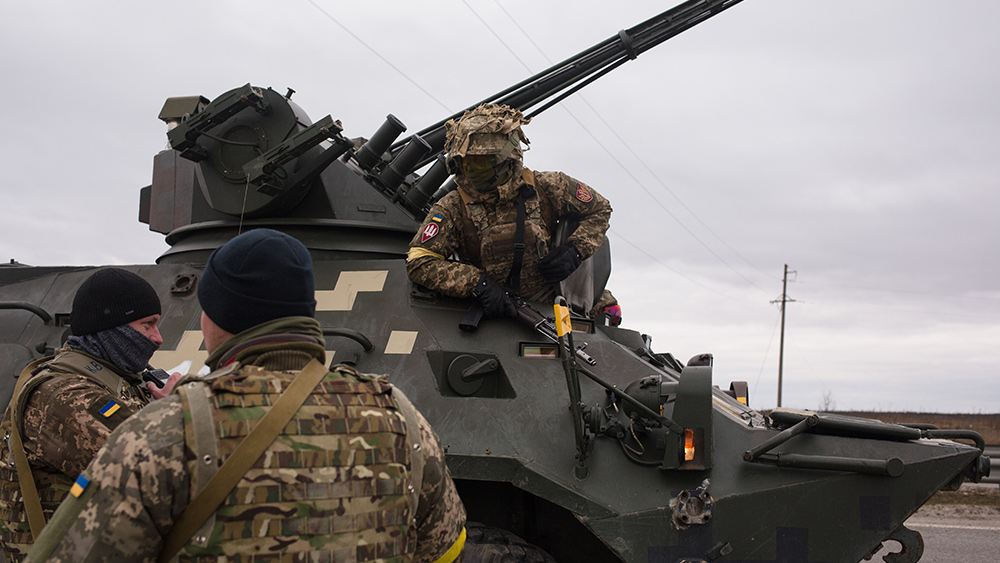
Hegseth held up Ukraine as a case study. "Ukraine's lesson is not that one type of drone wins wars, but rather the need for a purpose-built system that maximizes the ability to adapt," he said, according to AP. Reuters reported that drones are estimated to cause about 70% of Russian casualties. Hegseth also unveiled Project Meridian, a study of future warfare to be led by Elon Musk, Anduril co-founder Palmer Luckey and Newt Gingrich, the former House speaker, under Under Secretary of Defense for Research and Engineering Emil Michael. Hegseth said the first session would follow immediately after the speech. "We should have the humility to recognize that the best forecasters of future conflict do not solely reside inside the Pentagon," he said.Minab strike and China near-miss fuel warnings on military AI
The push comes amid warnings about leaning too heavily on machine judgment. Bloomberg reported last month that a U.S. missile hit a girls' school in Minab, Iran, on February 28, killing at least 157 people, including 123 children. The report blamed a mix of AI dependence, thinner staffing and hasty target selection. The United States has not publicly accepted responsibility. Officials familiar with the Pentagon's investigation told Bloomberg that some Central Command personnel assumed Palantir's Maven Smart System would warn them of outdated or conflicting intelligence. It did not. CNN reported last month that a chatbot's error nearly set off a confrontation with China this spring. An analyst used it to identify cargo aboard a Chinese ship that U.S. forces were preparing to stop on suspicion that it was carrying nuclear weapon components. The mission was aborted at the last minute once the mistake surfaced. Thailand's defense minister, Adul Boonthumjaroen, said at the Xiangshan Forum in Beijing in mid-September that the world is at a turning point as great powers compete more fiercely. As AI transforms warfare, "the most pressing is not who will be the most powerful, but rather, how can we build an international order," he stated. The Iran war already illustrates the cost problem Hegseth describes. AP reports that U.S. forces have expended hundreds of expensive interceptors against Iranian drone and missile attacks, and experts say contractors will need at least three years to replenish key weapons. A command that won't exist until October 2027 won't help in the meantime. Sources for this article include: RT.com TheHill.com Reuters.com APNews.comMastodon
Parler
Gab
Copy
Tagged Under:
glitch drones Ukraine China military national security warfare military technology AI robotics big government awakening risk dangerous WWIII computing future tech military tech government debt weapons technology drone watch Pete Hegseth
You Might Also Like

Trump Pledge on Iran Strikes Fails to Soothe Oil Markets
By Sterling Ashworth // Share

AI Chip Stocks Fall After Report on OpenAI Revenue Shortfall
By Sterling Ashworth // Share

Hegseth Says Public Will Be Able to Watch Fort Hood Shooter’s Execution by Firing Squad
By Douglas Harrington // Share

South Korea Ambassador to Kyiv Recalled Over Prisoner Transfer Dispute
By Garrison Vance // Share

Researchers Develop AI “Mind-Reading” Tool That Reconstructs What Eyes See
By Chase Codewell // Share
Recent News





Popular This Week