Join the movement to end censorship by Big Tech. StopBitBurning.com needs donations and support.
"Foundations in Farming and Homesteading + Pastured Laying Hens" on BrightU: Your homestead might be losing money while you're not looking
By bellecarter // 2026-09-20
Mastodon
 Parler
 Gab
Gab Copy
Copy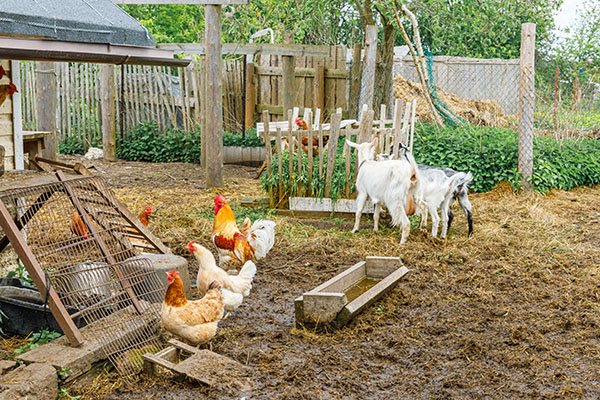
- Busy operations and abundant production can hide financial losses when individual enterprises aren't tracked separately.
- Livestock, crops, crafts and other activities may appear successful overall while profitable ventures unknowingly subsidize unprofitable ones.
- Despite customer demand, the pheasant operation required significant resources and proved difficult to manage, ultimately becoming "a complete drain."
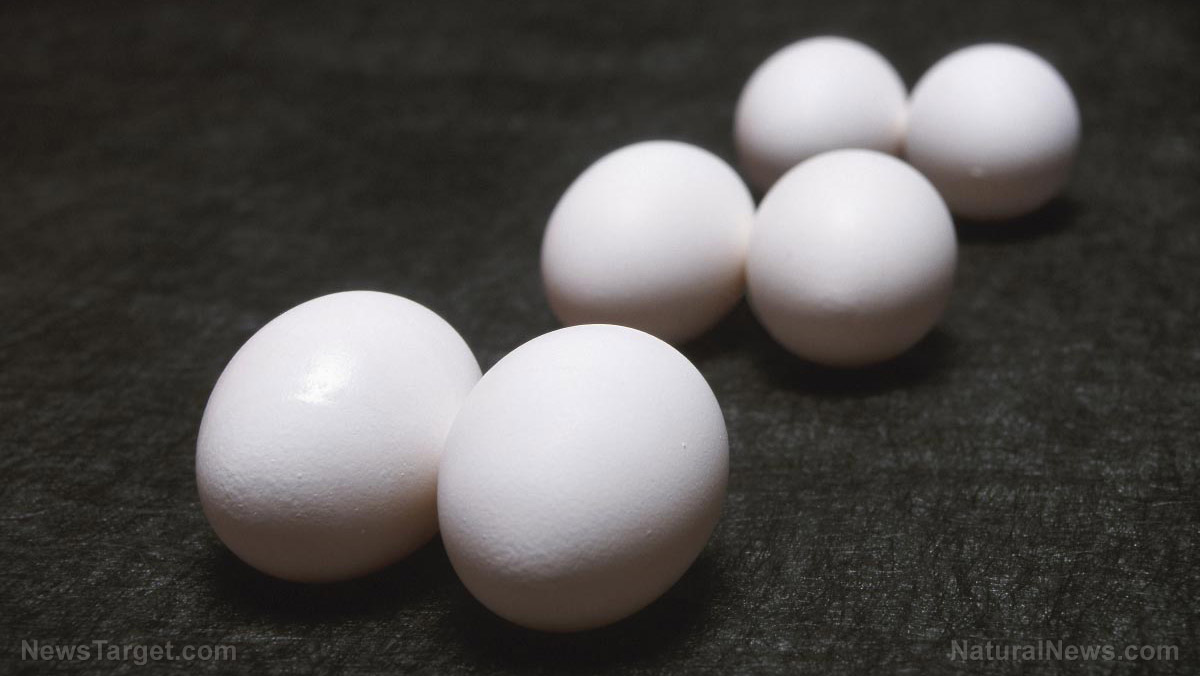
- Eggs may have lower profit margins, but they serve as a "gateway product" that can lead customers to purchase other farm products.
- Salatin emphasizes that increasing profitability means raising prices or reducing costs – but first, homesteaders must understand exactly what each enterprise earns, costs and contributes to the overall operation.
The profits you see and the losses you don't
A thriving homestead can be hiding a financial disaster in plain sight. The animals are thriving. The fields are producing. Customers are buying. There are eggs in the cartons, vegetables coming out of the garden, livestock moving through the pasture – and yet, somewhere beneath all that activity, money may be quietly disappearing. In Episode 4, which will be streamed on Sept. 29, Joel Salatin points out that one of the biggest dangers facing homesteaders isn't a lack of productivity. It's failing to discover which parts of the operation are actually making money and which ones are being carried by everything else. "By definition, homesteads tend to be kind of an eclectic hodgepodge of interests," Salatin says. And that's part of the appeal. A homestead can combine livestock, vegetables, fruit, crafts, woodworking and countless other projects. But without tracking each enterprise separately, the profitable operations can mask the failures. In other words, your homestead can look successful while one of its enterprises is quietly draining the bank account.The pheasant experiment that went wrong
Salatin knows this from experience. At his farm, chefs began asking for pheasants. The demand was there, so the farm decided to give it a try. What followed was an expensive lesson in the difference between an attractive idea and a viable enterprise. The farm built specialized aviaries. But the pheasants proved extraordinarily difficult to manage. Unlike chickens and turkeys, the birds became difficult to move, creating a cascade of practical problems, including injured animals. The operation wasn't merely inconvenient. It wasn't paying its way. That experience illustrates why simply adding another product to a homestead isn't necessarily a path toward greater financial security. Every new enterprise consumes resources, labor, infrastructure and time. If the numbers aren't tracked, one successful operation can quietly subsidize another that doesn't work. But then comes the twist. Eggs, Salatin admits, can be one of the more difficult enterprises on his farm when it comes to maintaining a strong profit margin. So why keep producing them? Because sometimes an enterprise's value goes far beyond its own profit margin. "It's what we call the gateway product." A customer may arrive for eggs and leave with beef, chicken and pork. Suddenly, the less-profitable enterprise has become a doorway into a much larger sale. That's the financial puzzle at the heart of this episode: not every enterprise has to be the star – but you need to know what role it plays. Salatin argues that profitability ultimately comes down to two levers: raise the price or lower the cost. But before either can happen, the numbers have to be visible. For homesteaders dreaming of self-sufficiency, that may be an uncomfortable reality: passion alone doesn't make an enterprise sustainable. Sometimes, the biggest threat to your homestead isn't failure you can see. It's the money you're losing without realizing it.Want to know more?
Discover practical strategies for building a productive, resilient homestead and raising pastured laying hens in "Foundations in Farming and Homesteading + Pastured Laying Hens," streaming on BrightU. Led by award-winning farmer Joel Salatin, this nine-episode series takes you step by step through the foundations of self-reliant homesteading, from designing your land and building efficient infrastructure to establishing a productive pastured egg operation. You'll explore practical approaches to housing, fencing, water systems, mobile infrastructure, flock health, pasture management, seasonal production and profitability. Whether you're new to farming and homesteading or looking to expand your skills, you can purchase the "Foundations in Farming and Homesteading + Pastured Laying Hens" combo package here to get lifetime access to Salatin's practical guidance. The package includes 32 video sessions, more than nine hours of instruction, homework PDFs and complete video transcripts to help you learn, review and apply the lessons anytime. Watch the trailer for "Foundations in Farming and Homesteading + Pastured Laying Hens" below. This video is from the BrightU channel on Brighteon.com. Sources include: BrighteonUniversity.com 1 BrightU.com Brighteon.com BrighteonUniversity.com 2Mastodon
Parler
Gab
Copy
Tagged Under:
sustainable farming economics business self-reliance homesteading self sufficiency small farm Joel Salatin profitability BrightU profit margins farm business farm income financial sustainability
You Might Also Like

Power banks: The unsung heroes of every survival kit
By HRS Editors // Share

Farmers Report “Survival Mode” as Diesel Prices Rise Amid U.S.-Iran Conflict
By Garrison Vance // Share

Food Resiliency Through Permaculture: Why We Must Become Self-Reliant to Thrive
By Mike Adams // Share
Recent News






Popular This Week