 Parler
 Gab
Gab Copy
Copy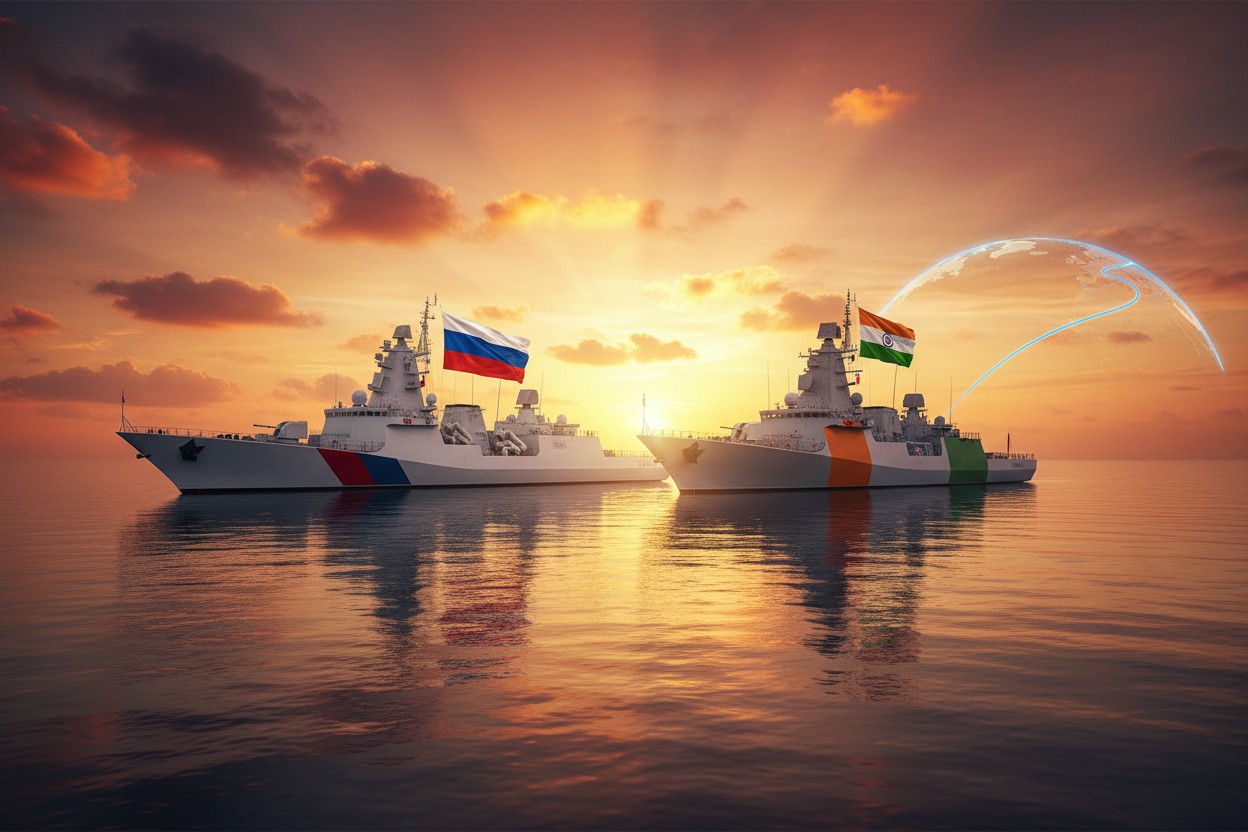
- Russia's trade with friendly nations hit approximately $299 billion in the first half of 2026, comprising 85% of its total foreign trade
- Russian exports rose 15% year-on-year as commerce shifted from Europe and the US toward Asia, Africa, and the Middle East
- India-Russia bilateral trade sits near $60 billion annually, with both nations targeting $100 billion by 2030
- New Delhi and Moscow are building alternative payment systems and transport corridors that bypass Western-controlled financial infrastructure
- Cooperation now spans energy, defense, pharmaceuticals, and critical minerals, well beyond the traditional oil-for-goods relationship
A trade relationship built on independence, not dependence
What is unfolding between Moscow and New Delhi is not the desperate scramble of a cornered economy, but the deliberate construction of an alternative architecture for global commerce, one that sidesteps the dollar-dominated systems that Western powers have long wielded as instruments of coercion. Mishustin's numbers point to something bigger than crude oil shipments. Russia's non-resource, non-energy exports to friendly countries climbed 11 percent in the first half of the year alone, while chemicals, fertilizers, metals, and pharmaceuticals all posted gains. This diversification matters. It signals that Russia is not merely a raw materials exporter clinging to survival, but a nation methodically building manufacturing and industrial relationships that will outlast any short-term political storm. India's role in this reshuffling cannot be overstated. Indian refiners have become voracious buyers of discounted Russian crude, with purchases reportedly peaking near 2.2 million barrels per day, eclipsing the combined volumes India once drew from Iraq, Saudi Arabia, the UAE, and Kuwait. But the relationship has matured well past a simple discount arbitrage. Indian Commerce Minister Piyush Goyal has emphasized that pharmaceuticals, engineering goods, textiles, marine products, and auto components will anchor the next phase of bilateral trade, a rebalancing effort meant to correct the lopsided flow that currently favors Russian energy exports over Indian manufactured goods. The symbolism reached a crescendo earlier this month when President Vladimir Putin and Prime Minister Narendra Modi met in New Delhi on the sidelines of the BRICS Summit, then toured the INNOPROM India trade fair together, a gesture that spoke louder than any communique. These are not the actions of statesmen cementing a long-term strategic partnership that both nations view as essential to their sovereignty and prosperity.Corridors, currencies, and the architecture of a multipolar order
Perhaps the most consequential development, and the one least discussed in Western financial media, involves the infrastructure quietly being laid beneath this partnership. India and Russia are expanding the International North-South Transport Corridor and developing the Chennai-Vladivostok maritime route - physical arteries designed to move goods without ever touching a chokepoint controlled by a hostile third party. Simultaneously, the two nations are strengthening settlement mechanisms in national currencies, chipping away at the dollar's chokehold on international trade and insulating their commerce from the kind of financial weaponization that Western institutions have grown fond of deploying. India and the Eurasian Economic Union have also launched formal free trade negotiations, a move that, if completed, would knit Russia's economic sphere even more tightly to South Asia's fastest-growing consumer market. Defense cooperation runs in parallel, with the two countries engaged in technical talks over joint production of Su-57 fighter jets and continued upgrades to India's Su-30MKI fleet. This is a multidimensional partnership touching security, technology, and the everyday commerce that sustains over a billion people. Critics in Washington and Brussels have spent years insisting that isolating Russia would eventually force capitulation. What the trade data actually reveals is the opposite trajectory: a country adapting, diversifying, and finding willing partners among nations that see more value in cooperation than in enforcing someone else's foreign policy. India, for its part, has demonstrated a clear-eyed pursuit of its own interests, refusing to sacrifice affordable energy and expanding market access simply to placate Western sensibilities. Sources include: RT.com IBEF.org MalaysiaSun.com
EU quietly plots way to keep Russian billions out of Moscow’s reach
By Cassie B. // Share
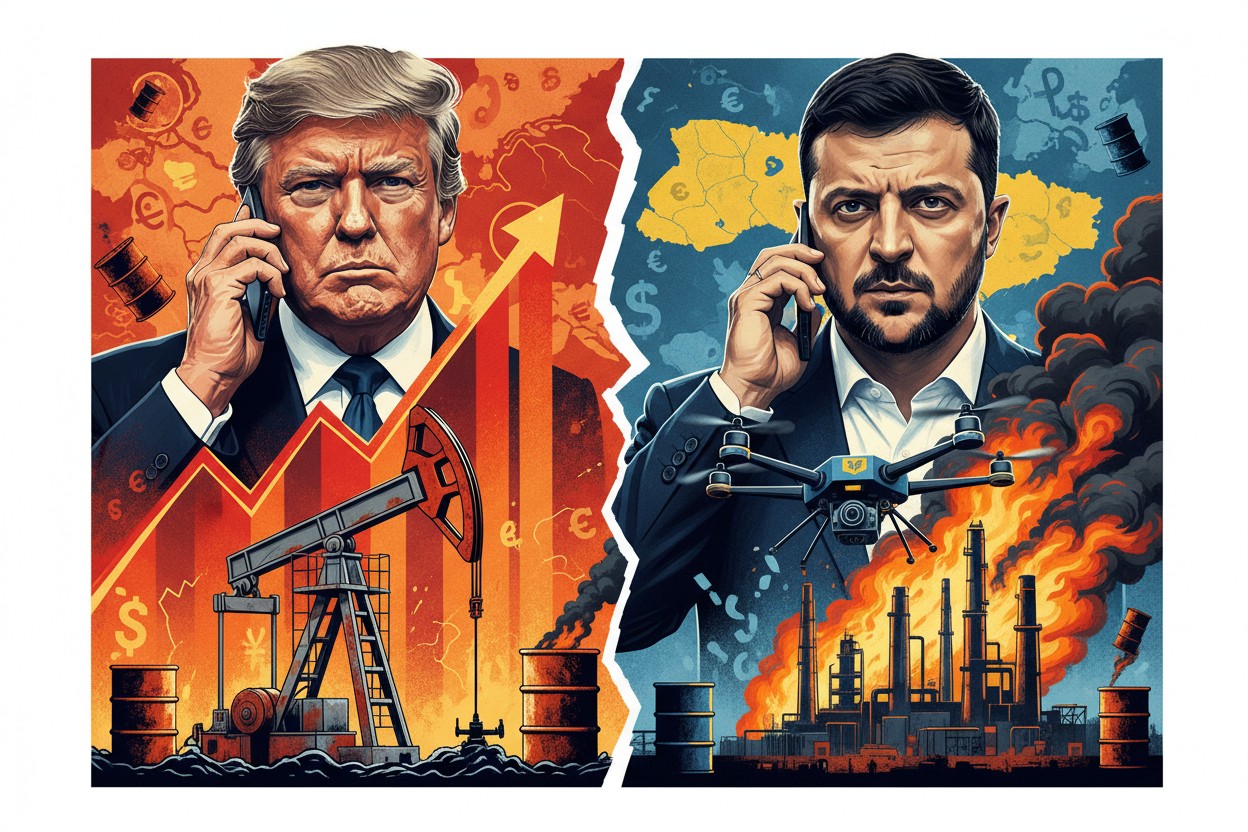
Trump Pushes Zelensky to Halt Russia Refinery Attacks Amid High Diesel Prices
By Garrison Vance // Share
Moscow’s Mach-9 message: Russia unleashes barrage of nuclear-capable Zircon missiles into Ukraine
By Lance D Johnson // Share
Trump Announces Greenland Security Agreement With Denmark; Text Not Released
By Belle Carter // Share

U.S. Becomes World’s Top Oil Exporter as Global Energy Markets Shift, Data Shows
By Sterling Ashworth // Share

Trump Gets AI Right: Don't Let Anthropic Regulate Away Its Competition
By healthranger // Share
The Final Chapter for Humanity is Now In Play: Why the Globalists Think They No Longer Need Us
By healthranger // Share
Trump Backs Diesel Export Ban as Fuel Costs Continue Soaring
By sterlingashworth // Share
Macron fires back at Trump over AI map claiming French islands as U.S. territory
By isabelle // Share